

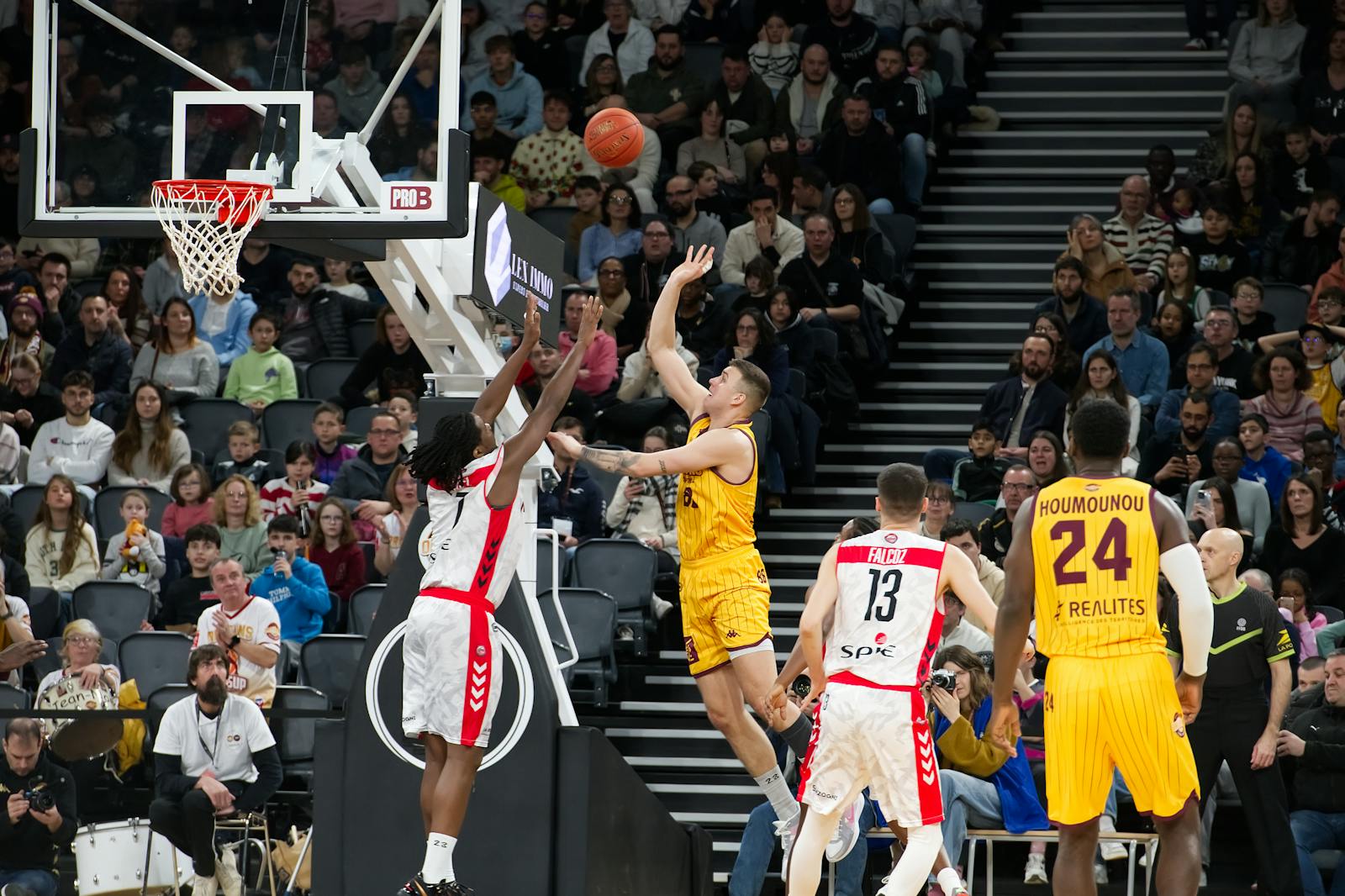
The way fans follow the NBA has changed dramatically over the past decade, with social media now playing a central role in how games, players, and storylines are consumed.
Platforms like Instagram, X, and YouTube have become extensions of the game itself. Highlights are available within seconds, post-game reactions spread instantly, and fans are able to engage directly with players in ways that were not possible before.
This shift has created a faster news cycle. A single play, comment, or moment can become a headline within minutes, forcing media outlets to adapt and respond quickly. For reporters, the expectation is no longer just to cover games, but to anticipate trends and deliver content in real time.
Players have also taken more control over their narratives. Through their own platforms, they can address rumors, share personal insights, and connect with fans without relying solely on traditional media.
At the same time, this immediacy comes with challenges. The pressure to be first can sometimes compete with the need to be accurate, making editorial judgment more important than ever.
As the NBA continues to evolve, one thing is certain: social media is no longer just part of the conversation. It is shaping the way the game is experienced, reported, and understood.

 celebritynewspro.com