
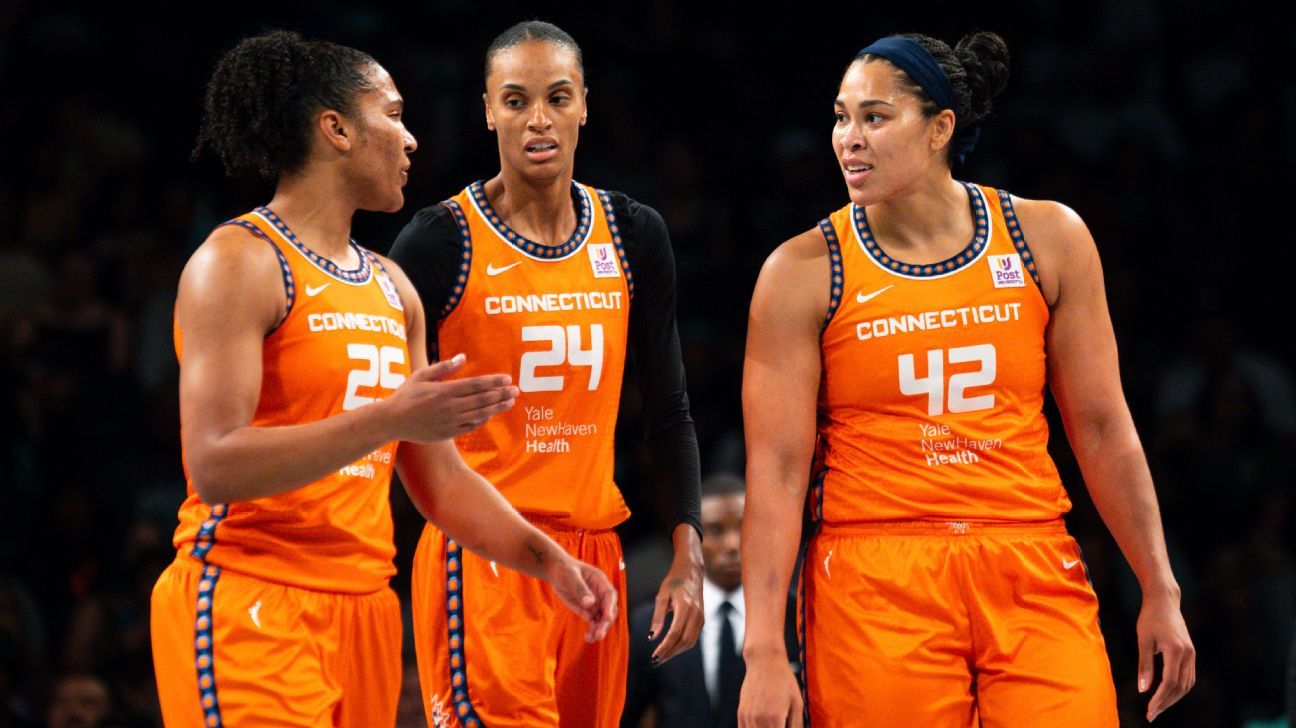
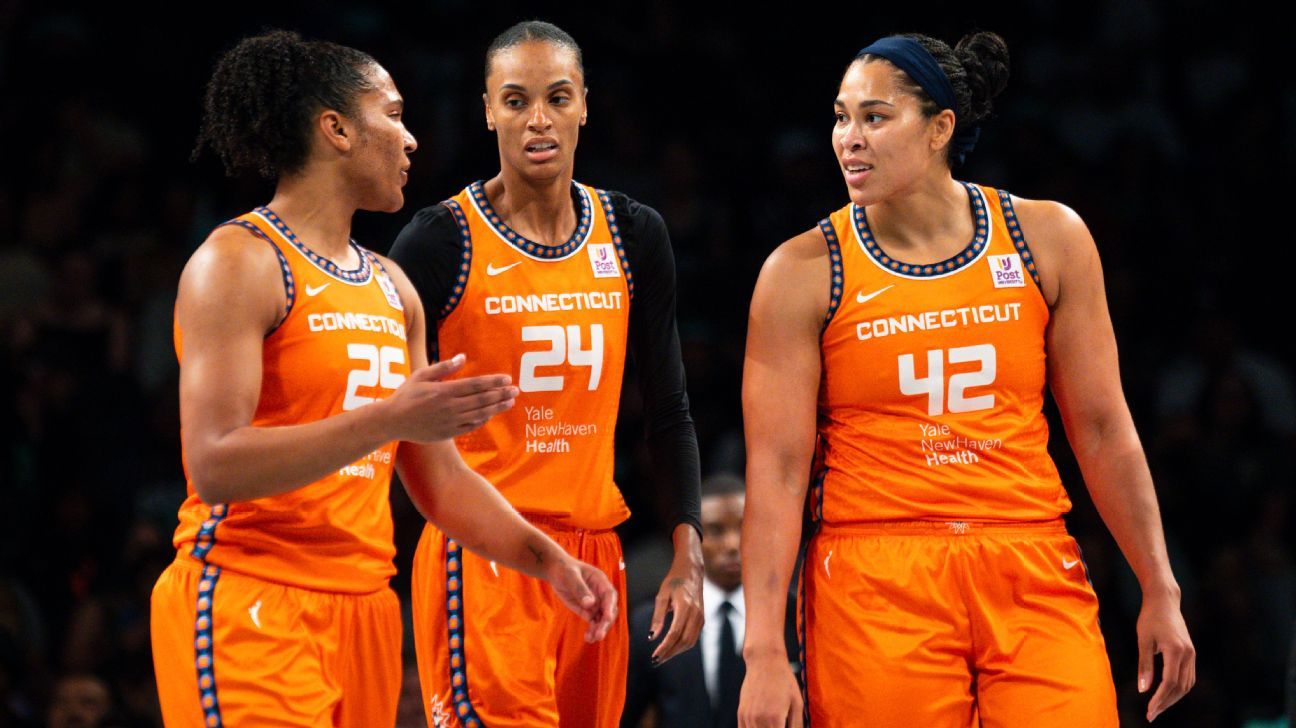
The WNBA is experiencing a surge in attention that feels different from previous years. What was once considered a niche league is now at the center of major sports conversations, driven by a new generation of players and growing fan engagement.
Much of this momentum comes from the arrival of high-profile college stars who have brought their audiences with them. Players like Caitlin Clark and Angel Reese have helped bridge the gap between college and professional women’s basketball, creating a continuity that keeps fans invested beyond March Madness.
But this moment is about more than individual stars. The league has become more visible across social media, with highlights, player personalities, and behind-the-scenes content reaching wider audiences. Fans are not just watching games; they are connecting with players and stories in real time.
There is also a growing demand for coverage. Women’s sports are no longer an afterthought. Networks, brands, and media outlets are beginning to recognize the value and potential of the WNBA, both as a competitive league and as a cultural force.
Still, the challenge will be sustaining this momentum. Increased attention brings higher expectations for coverage, investment, and storytelling. The WNBA is no longer fighting just for visibility; it is now working to define its place in the broader sports landscape.
What happens next will depend on how the league, its players, and the media continue to build on this moment. But one thing is clear: the WNBA is no longer on the rise. It has arrived.

 celebritynewspro.com